
Laser Triangulation Calibration: Why Coating Matters More Than You Think
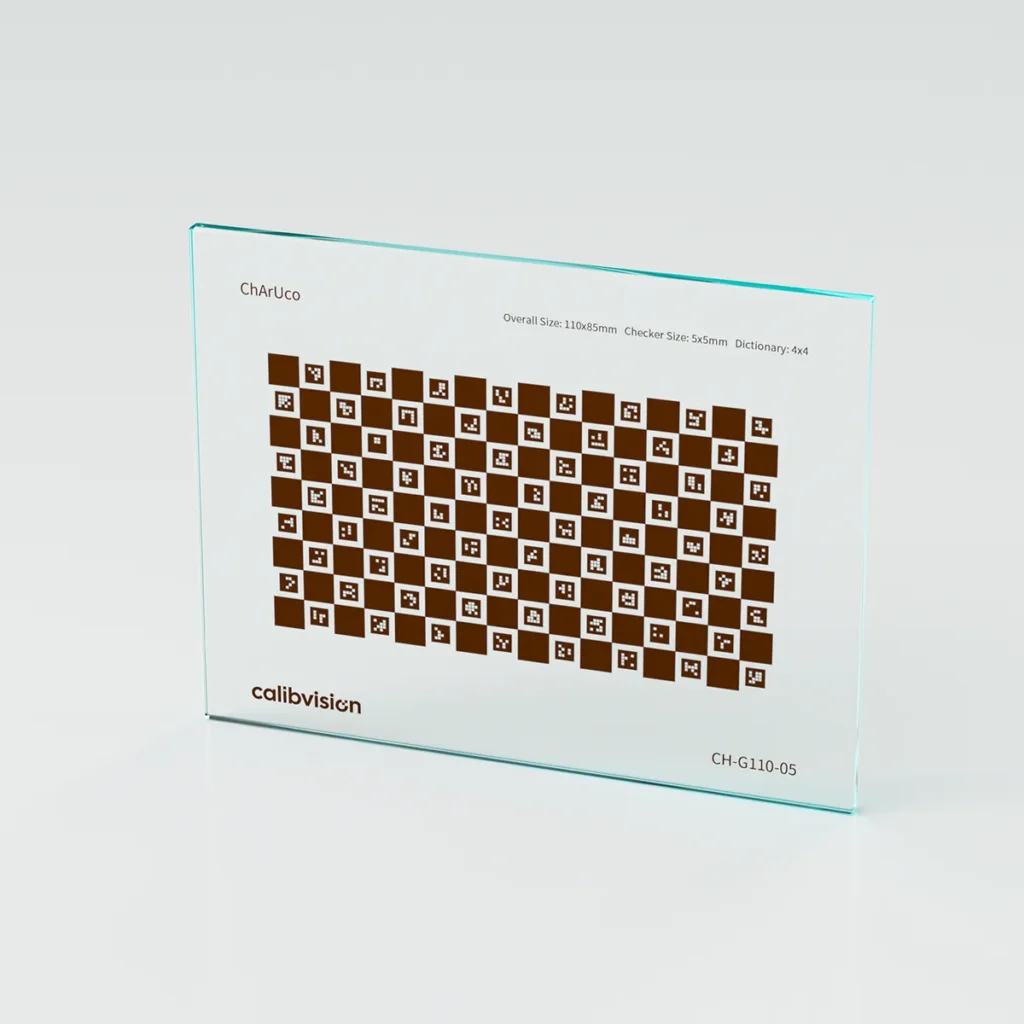
Laser triangulation systems rely on accurate calibration to convert pixel data into real-world measurements. However, many calibration issues are caused not by algorithms, but by the calibration target itself—especially its surface coating. This article explains the key requirements for calibration targets, compares different coating options, and shows why Brown Chrome is often the most reliable choice for stable and accurate measurements.
What Is the Best Checkerboard Size for OpenCV Camera Calibration?
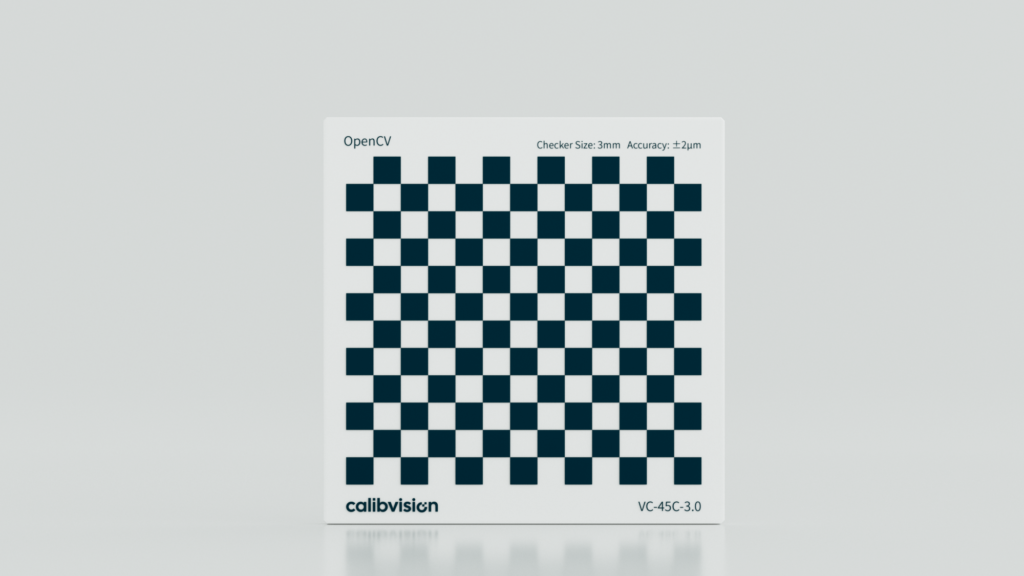
If you’ve set up an OpenCV camera calibration pipeline, this question comes up fast: What size checkerboard should I actually use? The short answer is: there’s no single “best” size. The right dimensions depend on your camera, your working distance, and what level of accuracy you need. But there are clear guidelines that most engineers […]
Why Calibration Target Quality Matters: Manufacturing Standards That Ensure Accuracy
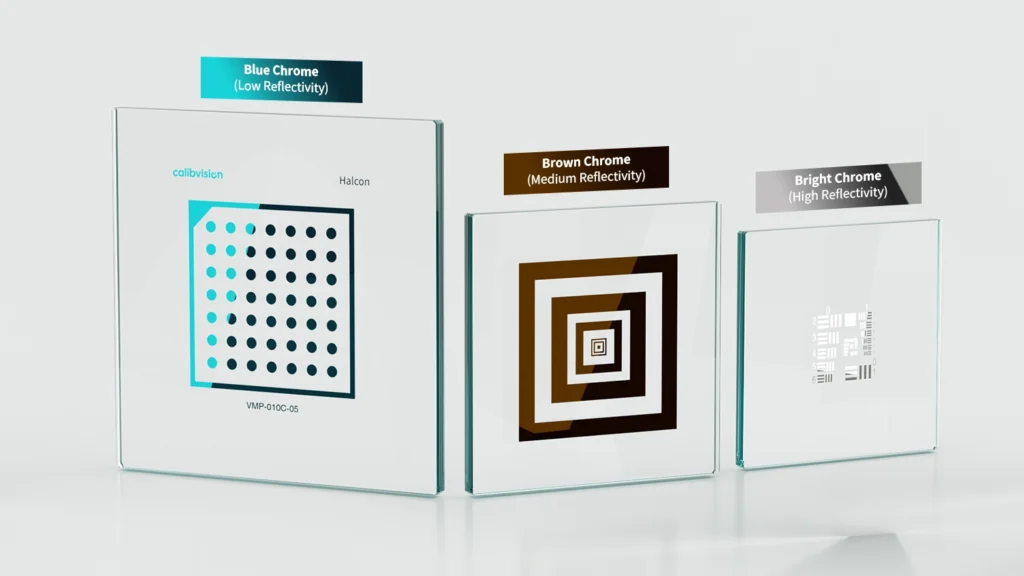
Introduction In the world of precision optical measurement, the calibration target is the foundation upon which all accuracy depends. Whether you’re calibrating cameras for autonomous vehicles, setting up stereo vision systems for robotics, or conducting research in machine vision, the quality of your calibration target directly determines the reliability of your results. Yet not all […]
Diffuse Reflectance Standards for LiDAR and Camera Calibration: Complete Selection Guide
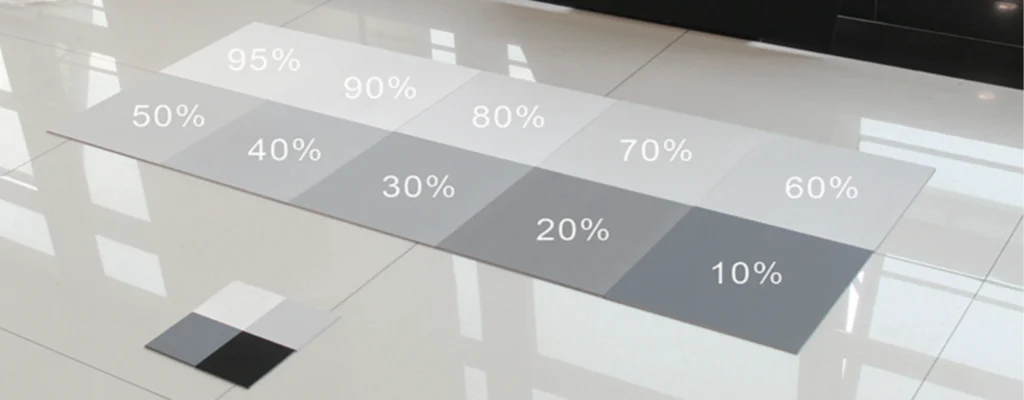
When it comes to calibrating optical measurement systems—from LiDAR sensors in autonomous vehicles to quality control cameras in manufacturing—precision matters. That’s where diffuse reflectance standards come in. These calibration targets provide the reference points that ensure your optical systems measure light accurately and consistently. What Are Diffuse Reflectance Standards? Diffuse reflectance standards are precision-engineered surfaces […]
Diffuse Reflectance Standards FAQ: 20 Expert Answers to Common Questions
Last Updated: January 2025 | Reading Time: 16 minutes Introduction “Can I use a photography gray card to calibrate my $100,000 LiDAR sensor?” This question—asked by an engineer at a major automotive supplier in 2023—led to three months of invalid testing, a delayed product launch, and $2.3 million in re-work costs. The answer? Absolutely not. […]
5 Industries Revolutionized by Precision Diffuse Reflectance Standards
Last Updated: January 2025 | Reading Time: 13 minutes Introduction In a Tesla factory in Fremont, California, a robotic vision system inspects battery cells at a rate of 120 per minute. Each cell must be classified by surface condition—detecting micro-scratches, discoloration, or contamination that could indicate manufacturing defects. The difference between accepting a defective cell […]
Why Manufacturing Quality Matters: Cleanroom Photolithography vs Conventional Reflectance Targets
Last Updated: January 2025 | Reading Time: 11 minutes Introduction Two reflectance standards sit side by side on a lab bench. Both claim “50% reflectance at 905nm.” Both look identical to the naked eye—matte gray surfaces, similar size, similar price point. You pick one, calibrate your $100,000 automotive LiDAR, collect three months of validation data, […]
How to Choose Diffuse Reflectance Standards: 7 Critical Specifications to Consider
Last Updated: January 2025 | Reading Time: 14 minutes Introduction You’re about to spend $500 to $15,000 on diffuse reflectance standards for your LiDAR or optical testing project. Make the wrong choice, and you’ll face: Make the right choice, and you’ll have: The difference? Understanding seven critical specifications that separate professional-grade reflectance standards from inadequate […]