
How to Choose the Right Camera Cable for Machine Vision Systems
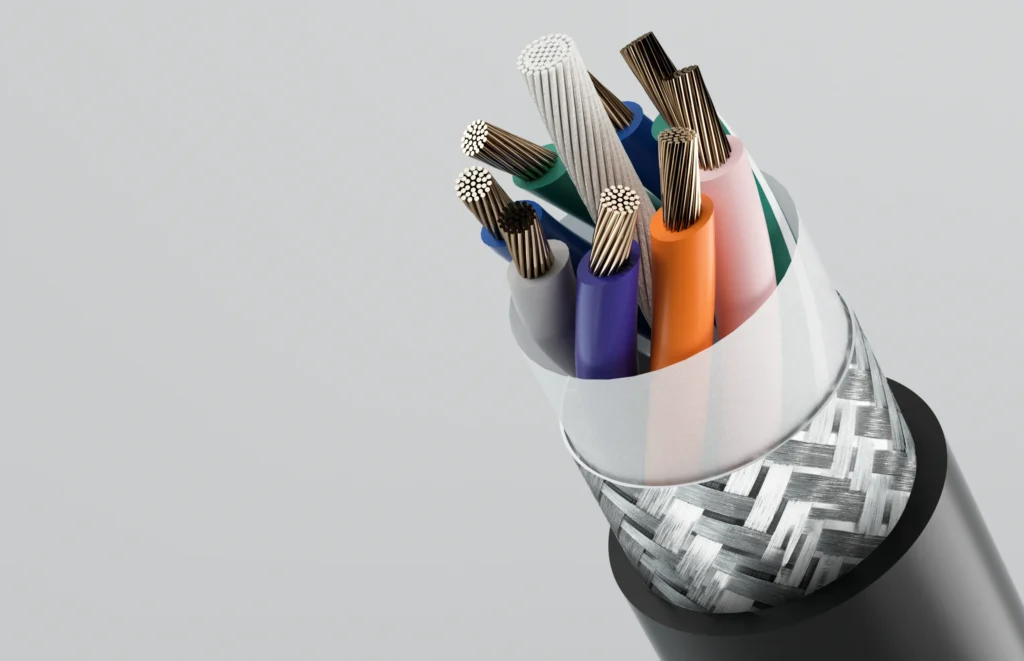
Selecting the right vision system cable requires evaluating interface type (GigE, USB3, Camera Link), mechanical requirements (flex needs, environment), electrical specifications (shielding, length), cable quality (connectors, construction), and application context to ensure reliable performance and future flexibility.
Ultimate Guide to High-Flex GigE Vision Cables: What Makes Them Different?
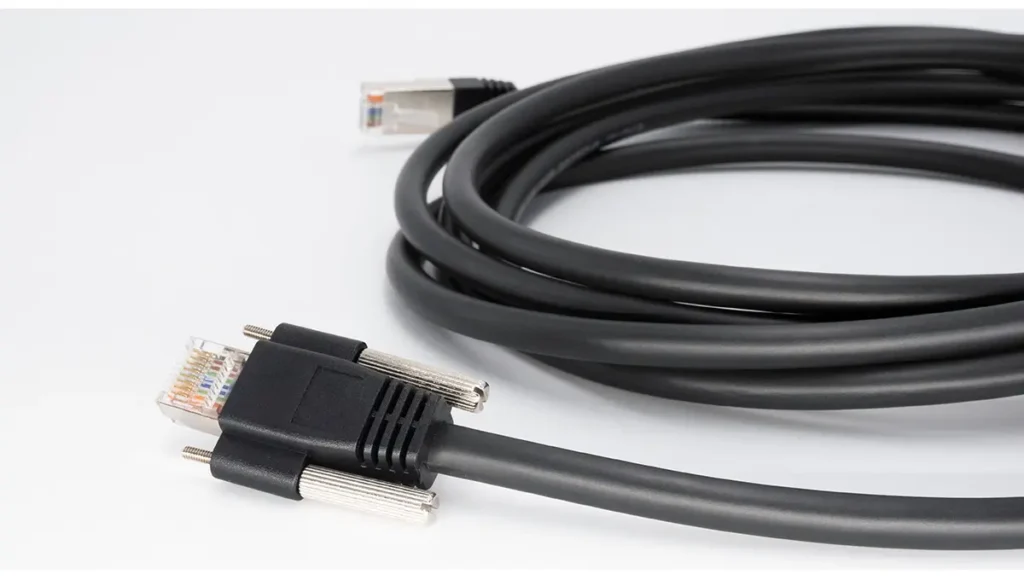
High-flex GigE Vision cables feature finely stranded conductors, specialized PUR/TPE jackets, and enhanced shielding to withstand millions of flex cycles in industrial environments. Unlike standard Ethernet cables, they maintain signal integrity during continuous movement in machine vision applications.
Which Calibration Chart Material Is Best? PE vs Film vs Paper
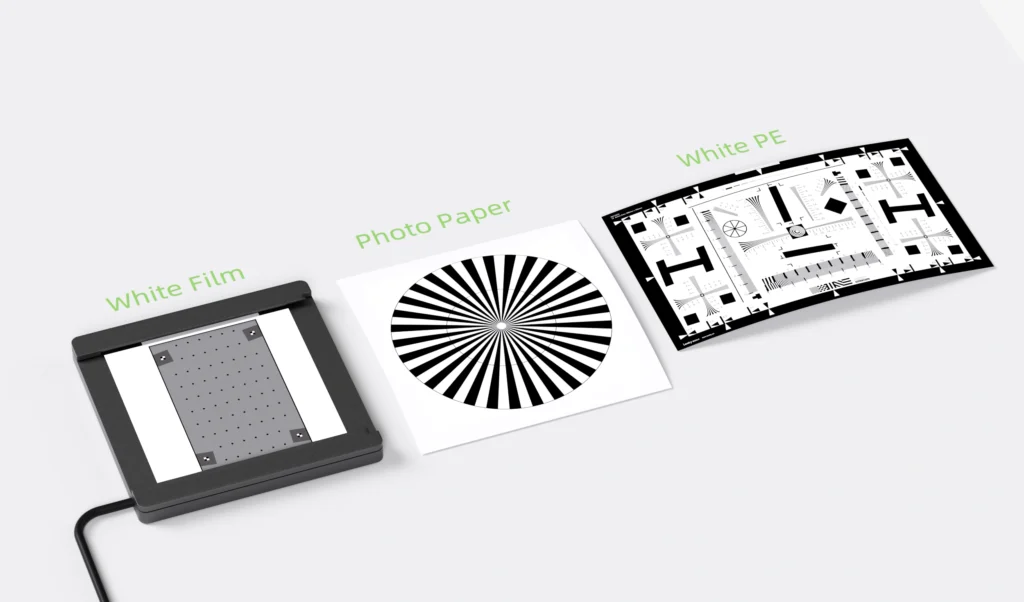
White PE calibration charts offer 30μm precision and industrial durability with front lighting. White Film provides 0.3mm resolution with backlight compatibility. Photo Paper delivers color accuracy for controlled environments. Each material has specific advantages for different imaging applications.
What Is AOI For Pharmaceutical Ampoule Inspection?
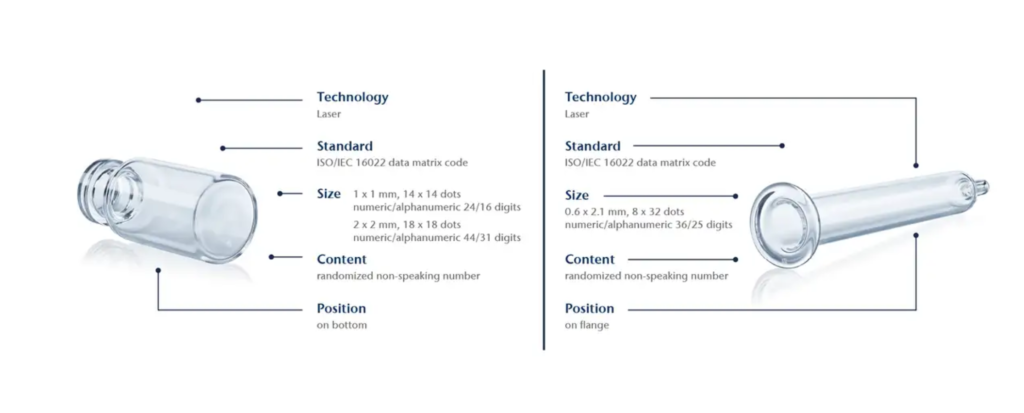
Automated Optical Inspection (AOI) for pharmaceutical ampoules uses specialized cameras, lighting, and software to detect critical defects including dimensions, wall thickness, cracks, contamination, and print quality at production speeds of up to 400 units per minute with 98-99% accuracy.
What Are Kalibr/AprilGrid Test Targets? Complete Guide
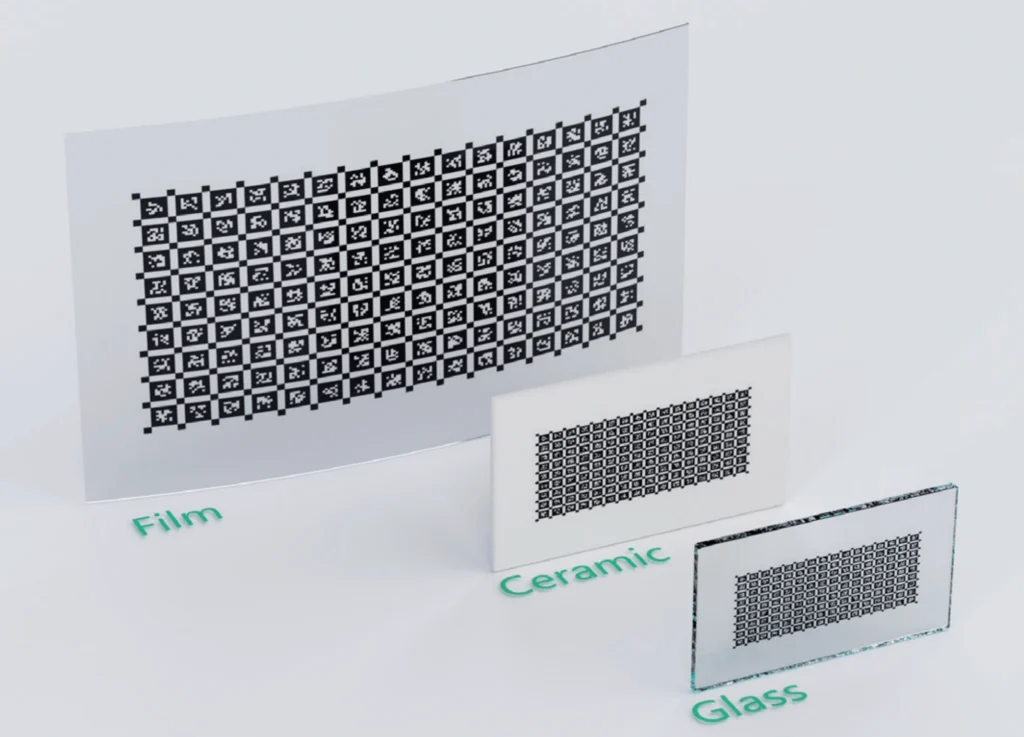
Kalibr/AprilGrid test targets use AprilTag coded markers for accurate multi-camera and IMU calibration. Available in glass (±1μm accuracy), ceramic (±2μm), and film (±15μm) substrates with various tag sizes and matrices, they enable robust calibration even with partially visible corners.
The Game-Changing Portable Demo Kit Every Machine Vision Professional Needs
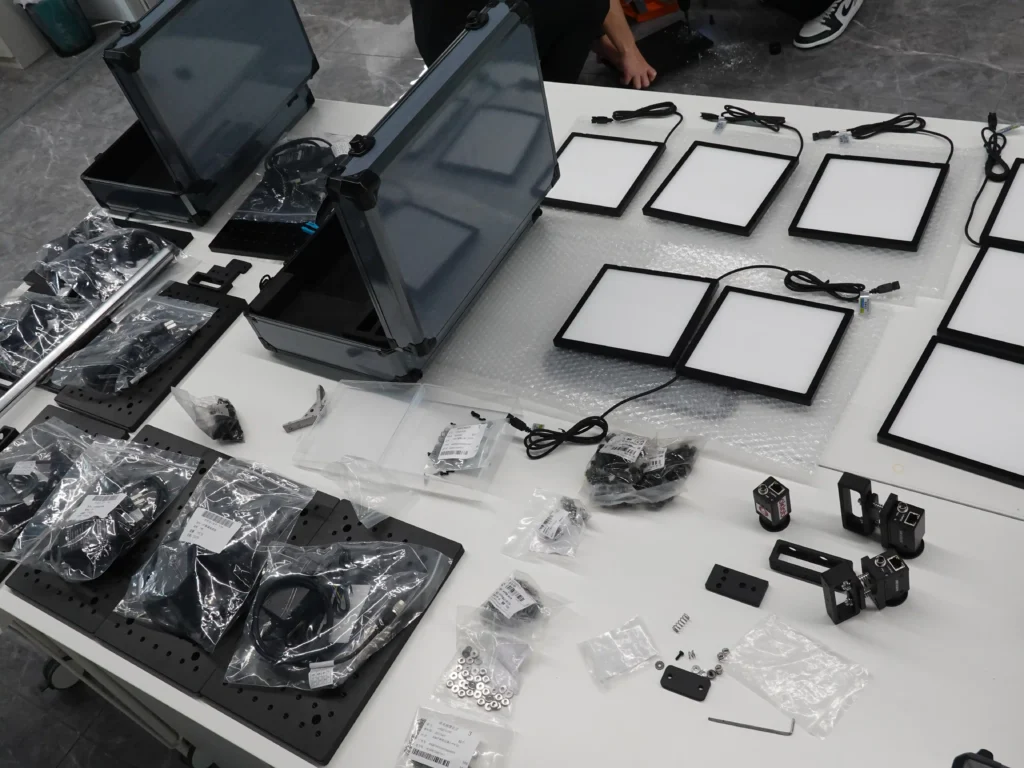
The VisionLabHub Mini Demo Kit solves the machine vision industry’s demonstration challenge by providing a complete, portable system for showcasing cameras, lighting, test targets, and optics anywhere. This carry-on sized solution enables spontaneous demos worldwide, dramatically improving sales effectiveness.
What Are Halcon Test Targets And How Do They Work?
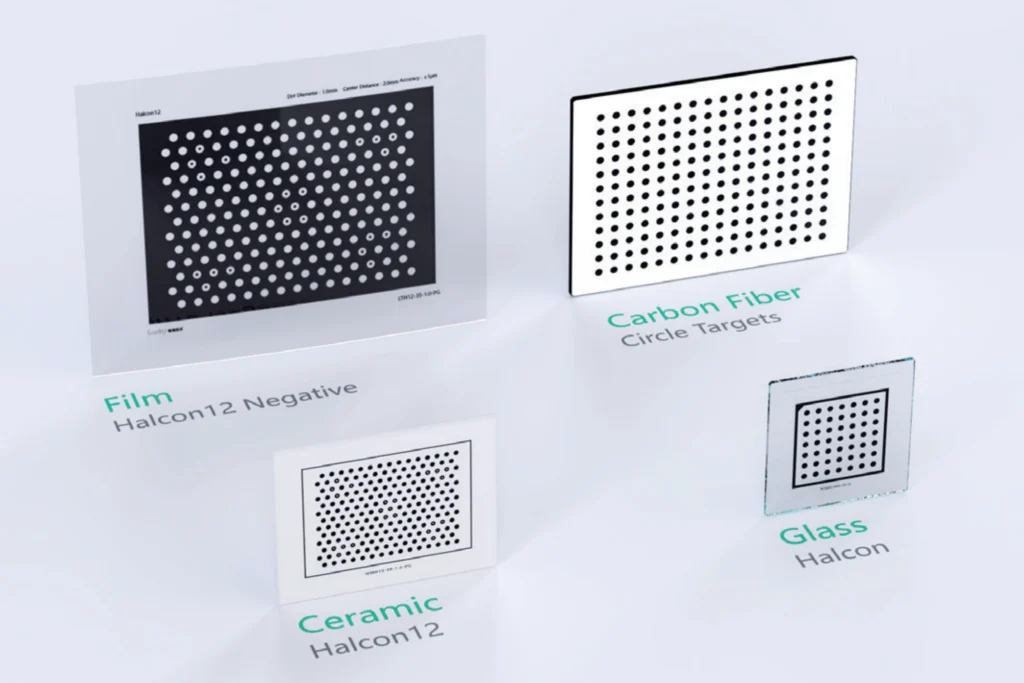
Halcon test targets are precision calibration tools for machine vision systems featuring specific patterns of circles arranged in geometric configurations. Available in various materials (glass, ceramic, film) with different circle diameters (0.1mm-10mm) and accuracy levels (±1μm-±2μm).
The Ultimate Imaging Test Device: How One Small Box Replaces An Entire Test Lab

This revolutionary imaging test device combines a light box, test charts, and an automated relay lens system to create a complete camera testing lab in a compact package. It tests MTF, color, and grayscale with precision while saving 95% in space and 70% in costs.