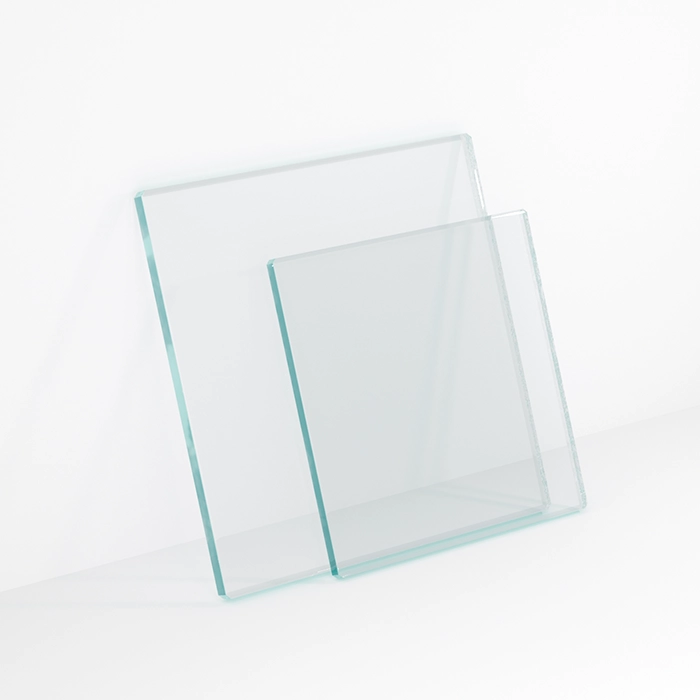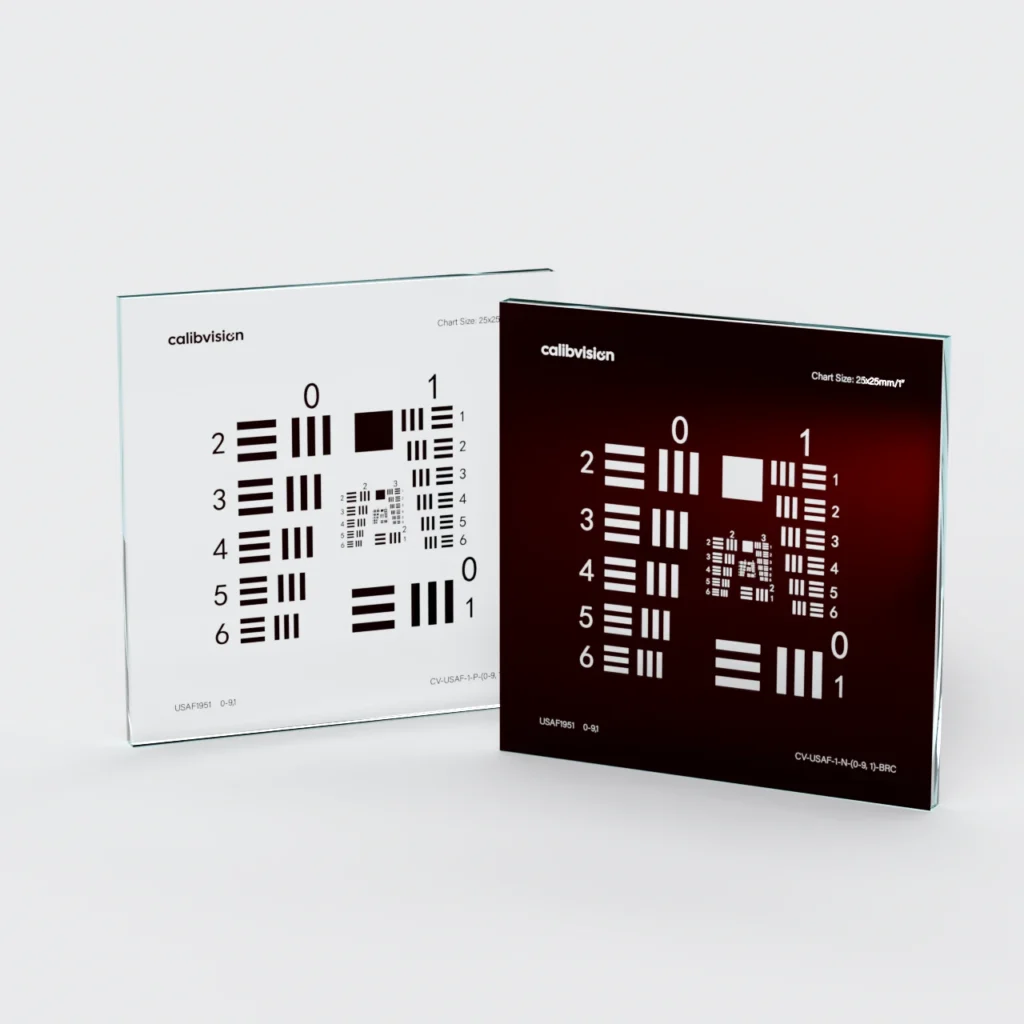
Accuracy Description
Accuracy specifications for custom chrome patterns on soda lime glass.
Feature size accuracy
±0.001 mm
Circularity
0.001 mm
Line straightness
±0.001 mm
Pattern to edge
±0.05 / 0.1 mm
Accuracy by Active Pattern-Area Size
Dimension basis: longest side of the active chrome pattern area; the overall glass substrate size is not used. Position accuracy applies to chessboard corners, circle centers and other feature positions. Spacing accuracy applies to the distance between neighboring dots, corners or lines.
| Maximum active pattern-area dimension | Feature position accuracy (relative to ideal position) | Neighbor-to-neighbor feature spacing accuracy |
|---|---|---|
| ≤100 mm | 0.001 mm | 0.002 mm |
| 100–200 mm | 0.002 mm | 0.004 mm |
| 200–300 mm | 0.003 mm | 0.006 mm |
| 300–400 mm | 0.003 mm | 0.006 mm |
| 400–500 mm | 0.004 mm | 0.008 mm |
| 500-600mm | 0.005 mm | 0.010 mm |
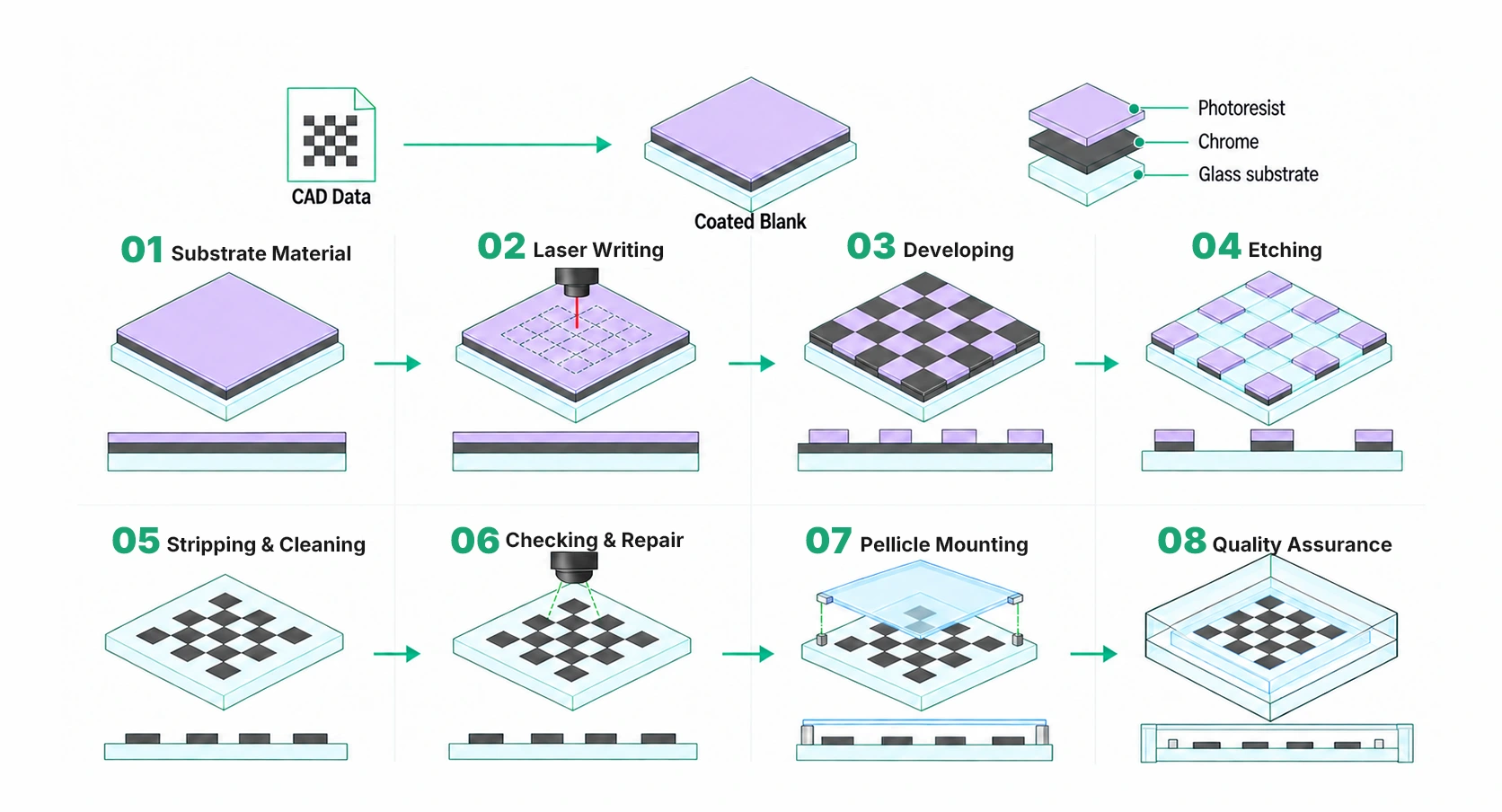
Chrome Coating Manufacturing Process Chart
Geometry Dimension and Tolerance
General specifications
| Length / Width | 1 × 1 mm to 1092 × 813 mm |
|---|---|
| Thickness options | 0.2mm 0.55mm 0.75mm 1.0mm 1.5mm 2.3mm 3.0mm 4.8mm 7.8mm |
| Thickness tolerance | ±0.1 mm |
| Edges | Beveled |
| Angle of edges | ±1° |
| Overall dimension tolerance | Dimension<127mm: ±0.05mm |
| Dimension 127-300mm: ±0.1mm | |
| Dimension>300mm: ±0.2mm | |
| Surface roughness | <0.025μm |
| Surface flatness | Dimension<127mm: 5-10μm |
| Dimension 150-200mm: 15-20μm | |
| Dimension 220-380mm: 30-50μm | |
| Dimension 400-550mm: 50-60μm |
Types of Chrome Coating on Glass Test Target
Chrome coating minimizes geometric surface deviations, ensuring high camera calibration accuracy.
Exceptional flatness improves measurement precision and long-term stability.
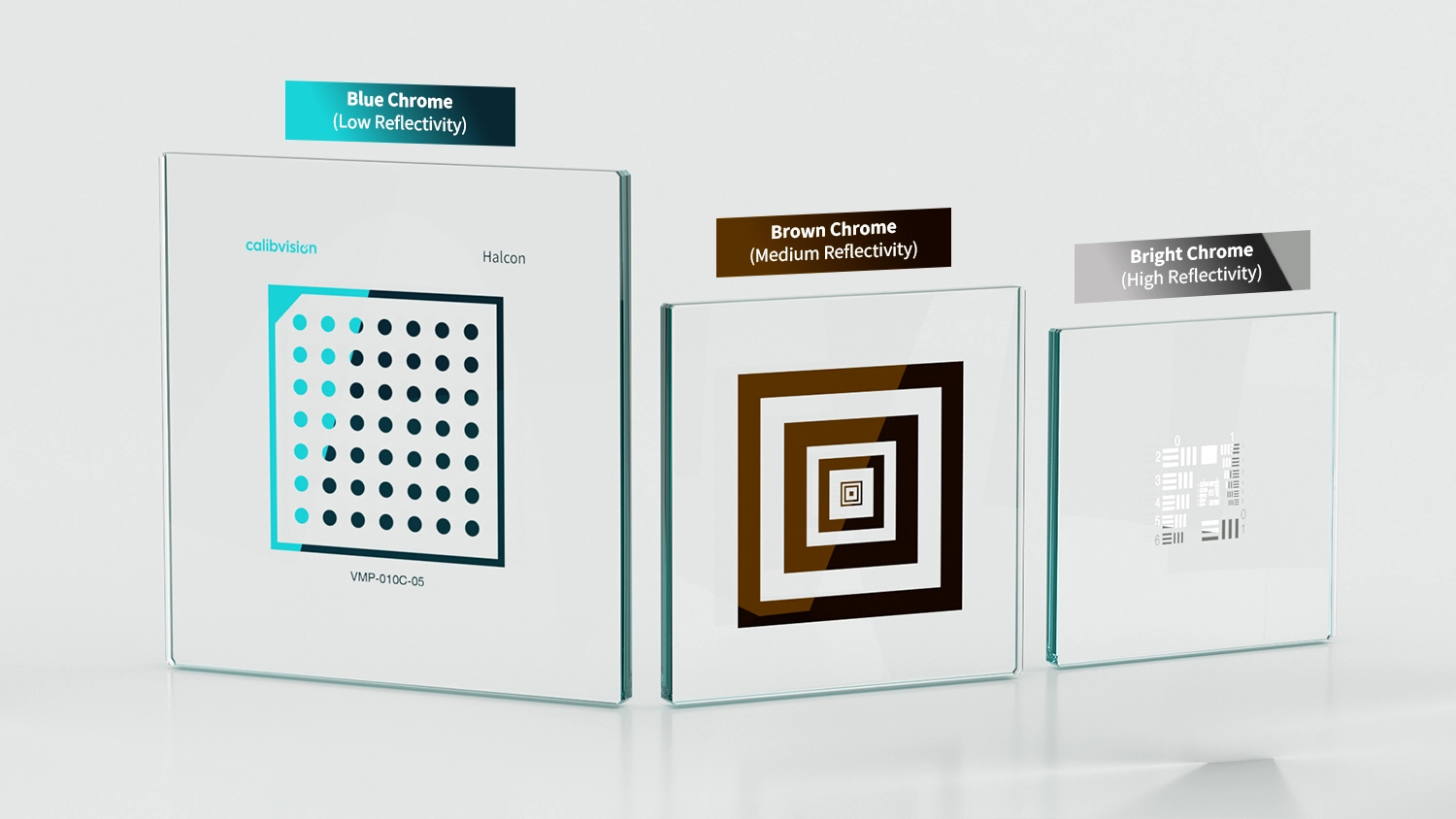
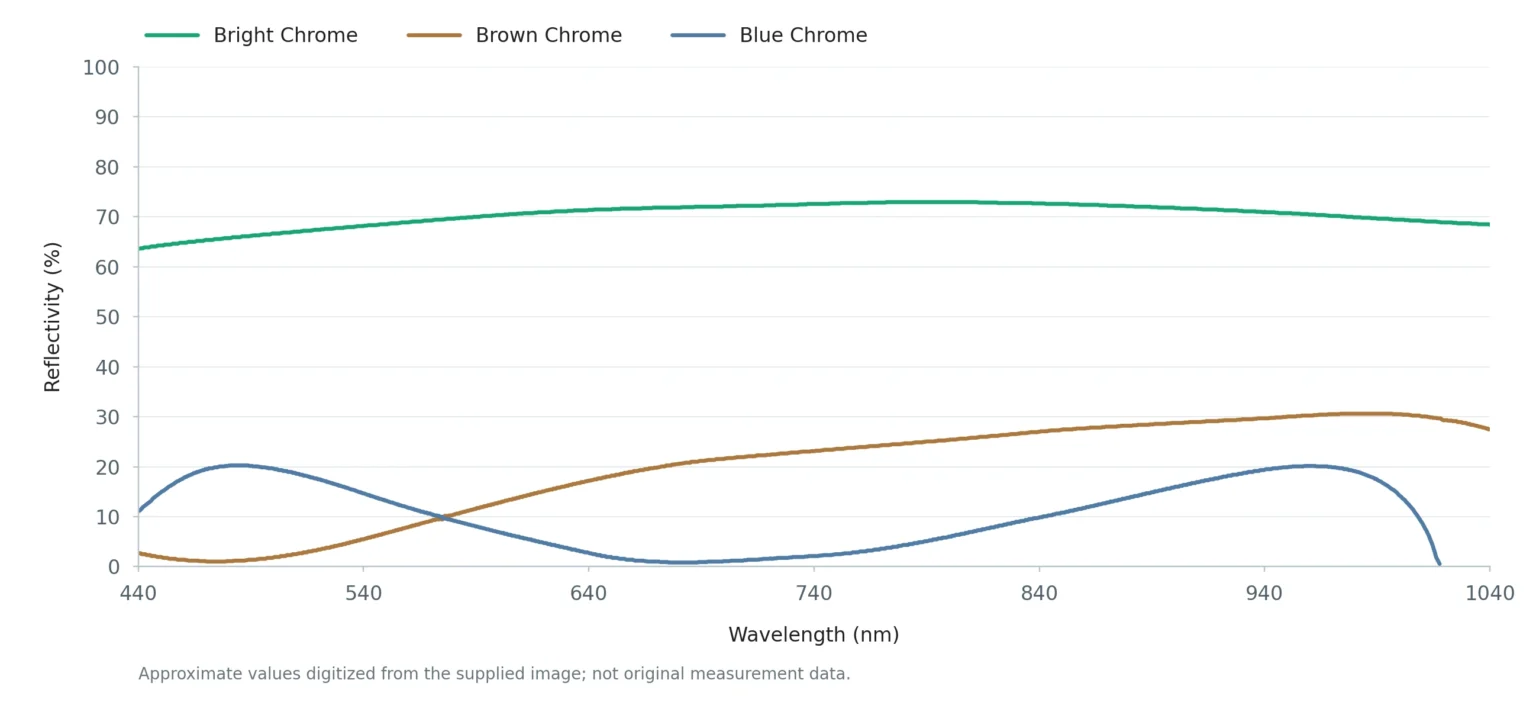
| Chrome Type | Blue Chrome | Brown Chrome | Bright Chrome |
|---|---|---|---|
| Reflectivity | Low Reflectance(8–20%) | Standard Reflectance(10–30%) | High Reflectance(55–70%) |
| Key Advantages |
Superior uniformity performance Minimizes ambient light interference Excellent contrast in low-light conditions |
Balanced reflectivity for versatile use Performs well under strong illumination Suitable for outdoor environments |
Maximum light reflection for low-light scenarios Enables faster positioning and detection Ideal for high-speed applications |
Spectral reflectance of chorme coating
Substrate Properties
Chrome pattern made on soda lime glass substrate is chemically and dimensionally stable, and reasonably rigid.
| Reflectance (420–700 nm) | Rave <4.368% @420–700 nm. Reflectance can be optimized to Rave <0.5% by applying AR coating on glass surface if needed. | Transmittance (420–700 nm) | Tmax <91.892% @420–700 nm. Transmittance can be optimized to Tmax <99.2% by applying AR coating on glass surface if needed. |
|---|---|---|---|
| Refractive Index | 1.5373 @400 nm 1.5234 @587 nm 1.5195 @700 nm | Surface Quality | Scratch : Dig ≤40:20 |
| Thermal Expansion Coeff (CTE) (15 to 200 °C) | <100 × 10−7 /°C | Manufacturing Temperature | 23 °C |
| Shear Modulus | <3000 kg/mm² | Knoop Hardness | >500 kg/mm² |
| Annealing Point | >530 °C | Density | 2.4 g/cm³ |
| Highest Use Temperature | 80 °C | Storage Temperature | 10–80 °C |
Thermal Expansion Coeff
Glass expands when heated and contracts when cooled.
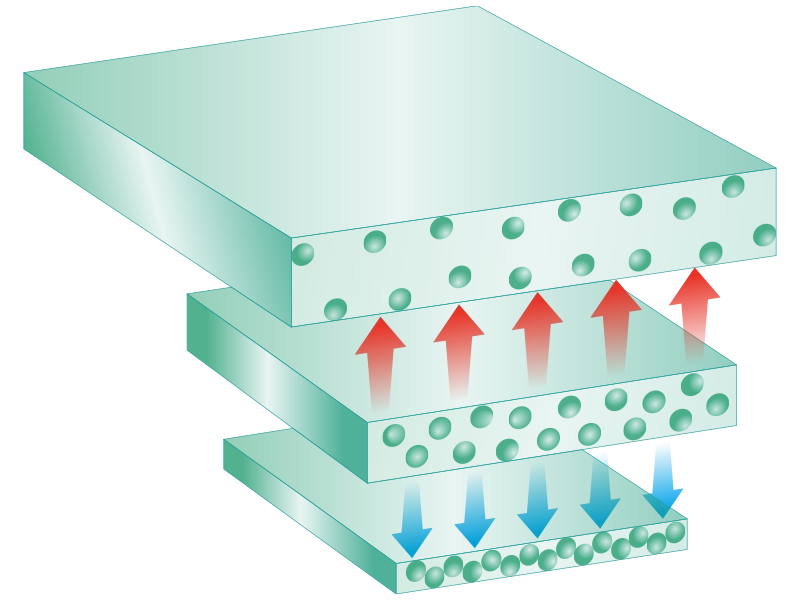
Note: Quartz glass offers approximately 14x greater dimensional stability under temperature changes
What is Thermal Expansion Coeff in Glass Substrates?
Thermal expansion is how much a material grows or shrinks when temperature changes. Quartz glass has ultra-low thermal expansion (<5x10²/°C), expanding only 0.55um per meter per degree Celsius-15 times less than standard glass. This ensures calibration targets maintain precision across temperaturevariations.