
Understanding Lambertian Reflectance: The Science Behind Diffuse Reflectance Standards
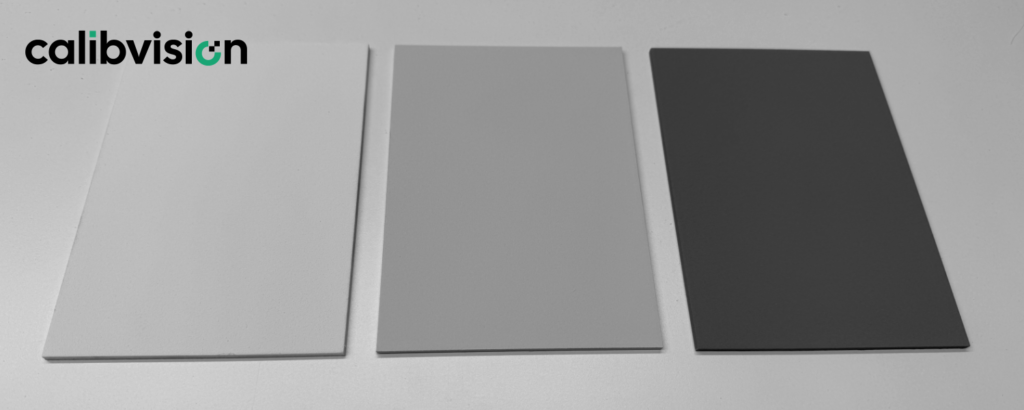
A diffuse reflectance standard only works if it is Lambertian — its radiance is constant with viewing angle, so a sensor reads the same reflectance regardless of geometry. The physics of specular vs diffuse reflection, Lambert’s cosine law with a worked LiDAR example, the mechanisms that make surfaces Lambertian, the BRDF description, real-world deviations, and practical tests to verify Lambertian performance before you trust a target.
Diffuse Reflectance Standards: The Complete Guide to LiDAR Calibration Targets

1. Introduction Autonomous vehicles navigate highways at 120 km/h, relying on LiDAR sensors to detect objects 200 meters ahead. Industrial robots manipulate components with sub-millimeter precision using optical ranging systems. What makes these technologies reliable? The answer lies in a critical but often overlooked calibration tool: diffuse reflectance standards. Diffuse reflectance standards are precision optical […]
Understanding Calibration Target Accuracy in Simple Terms
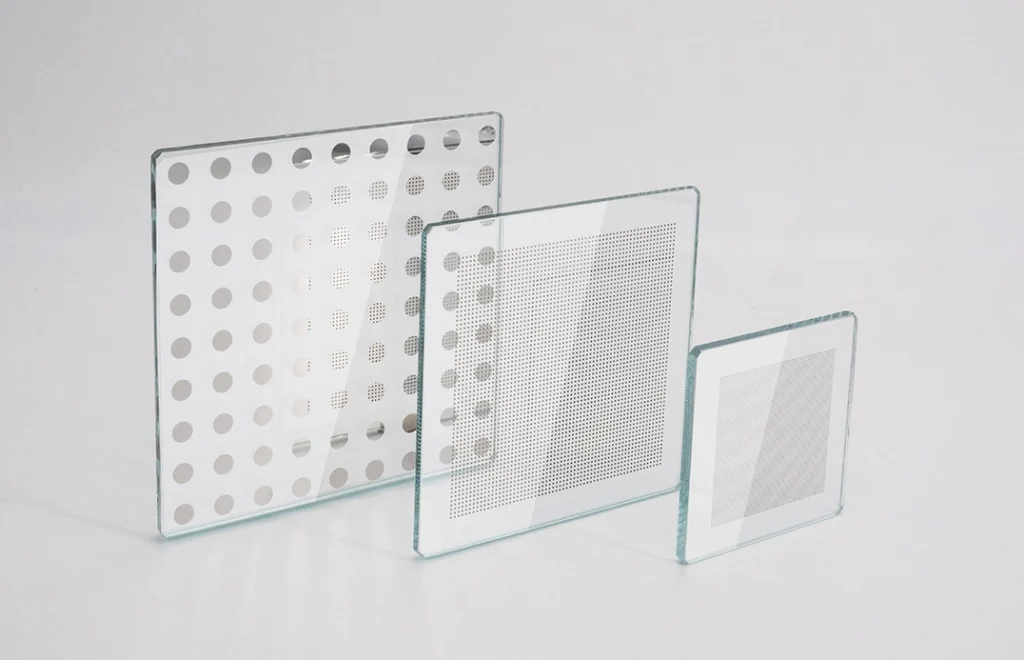
What is calibration target accuracy? When we talk about calibration target accuracy, we’re really asking one basic question: “How perfect is this pattern?” Just like when you buy a ruler, you want to make sure the measurements are correct. A calibration target works the same way – it needs to be extremely precise for your […]
Diamond Cutting Lenses: Positioning vs Precision Measurement
This comprehensive guide explores the critical role of FA (Factory Automation) and telecentric lenses in modern diamond cutting operations. The article distinguishes between two essential optical applications: FA lenses for positioning and workflow management, and telecentric lenses for precision measurement and cutting guidance.
What Are Custom Test Targets? Complete Guide for Imaging Systems
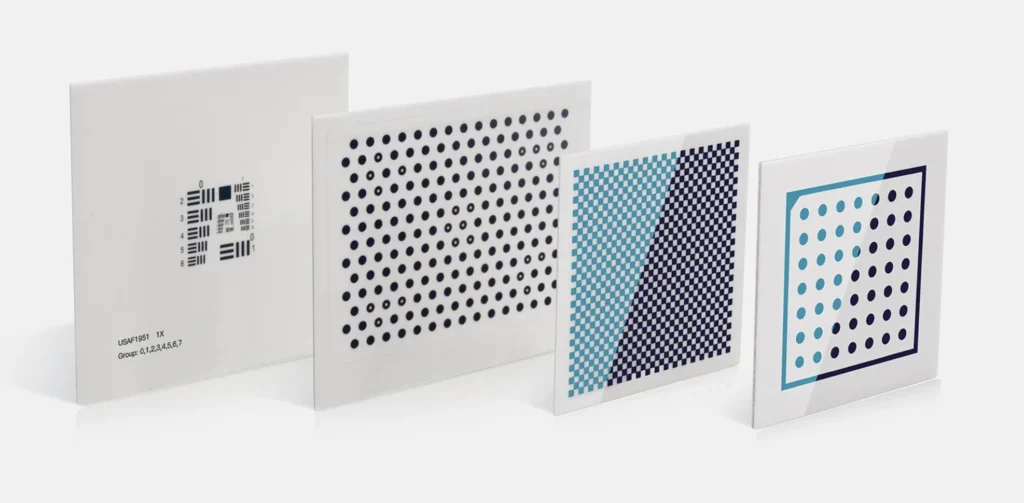
Custom test targets are specialized charts designed for specific imaging applications to evaluate performance or calibrate settings. They measure resolution, distortion, color accuracy, and other parameters. Unlike standard targets, custom designs match exact application requirements, materials, and environmental conditions for more accurate system validation.
GIGE vs. USB3 Camera Cables: Which is Best for Your Vision System?
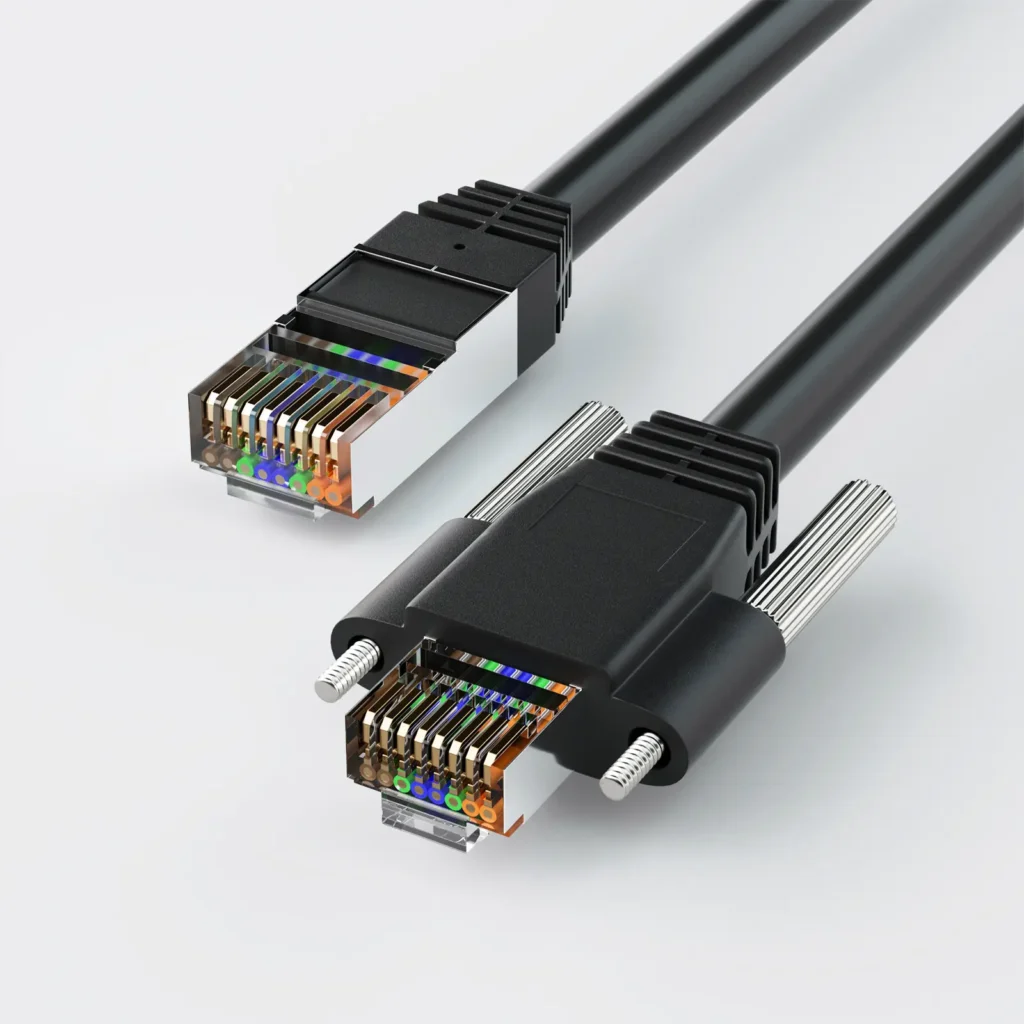
GigE Vision offers 1 Gbps speed with 100m cable reach, ideal for multi-camera industrial systems. USB3 Vision provides 5 Gbps speed but limits cables to 5m, best for single-camera high-speed applications. Choice depends on camera count, distance, environment, and scalability needs.
Machine Vision Cable Failures: Prevention & Troubleshooting Guide
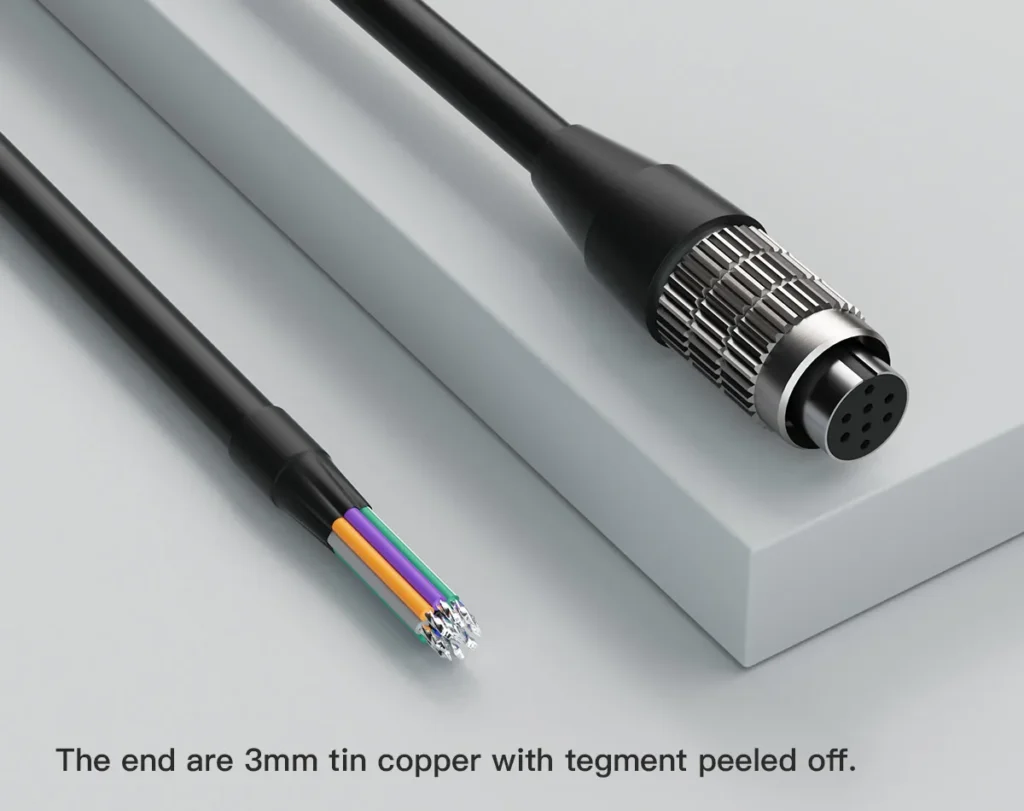
Machine vision cables fail at the worst possible times. I’ve seen production lines shut down for hours because a $50 cable broke, costing companies thousands in lost productivity and missed deadlines. The good news? Most cable failures are completely preventable when you know what to look for and how to protect your systems. What Causes […]
Custom Calibration Targets for Dispensing Equipment: Complete Guide & Case Study
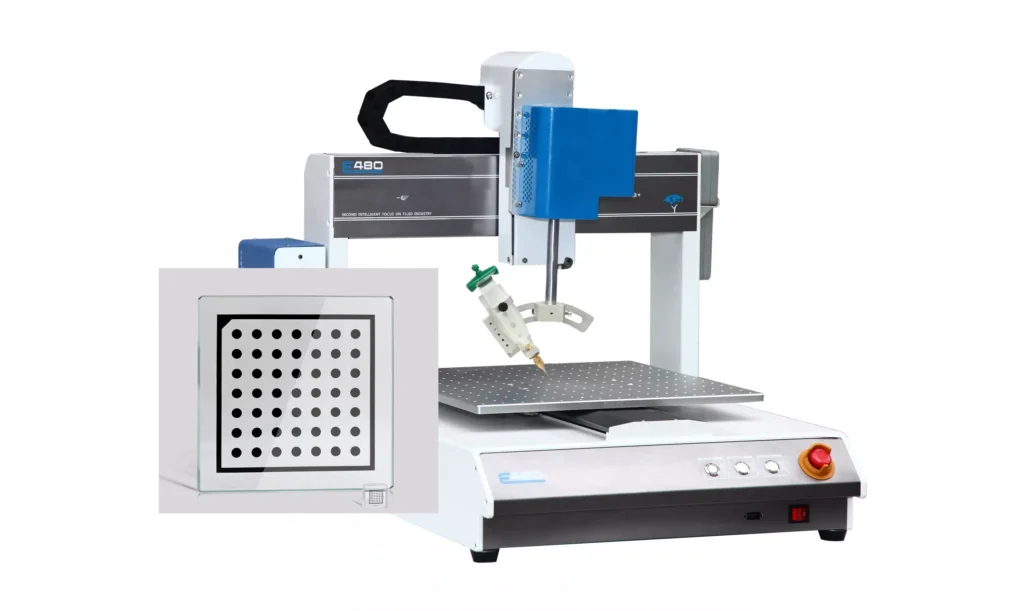
Custom calibration targets are precision reference patterns that help dispensing equipment maintain accuracy. Using quartz glass and laser writing technology, these targets achieve sub-5 micrometer precision across meter-scale areas, essential for electronics, automotive, and medical manufacturing quality control.