
Best ColorChecker Size for Each Type of Photography (2026 Guide)
The right ColorChecker size is the one that fills 5 to 10 percent of your image frame at your normal shooting distance. For most studio photography that’s the Classic at 216×279 mm. For macro work it’s the Nano at 25×40 mm. For wide-format and machine vision it’s the XL, 2XL, Mega, or 8X. The wrong […]
ColorChecker 24 vs Passport: Which One Should You Buy in 2026?
The ColorChecker 24 is a flat card with 24 standardized color patches, made in multiple sizes for studio work, machine vision, and large-format photography. The ColorChecker Passport is a tri-fold plastic case containing those same 24 patches plus 26 extra patches, built for portable field use at a fixed pocket size. Which one to buy […]
How to Use a ColorChecker 24 in Lightroom: Step-by-Step (2026)
To use a ColorChecker 24 in Lightroom, shoot one RAW frame of the chart in your scene lighting, convert it to DNG format, open it in Adobe DNG Profile Editor, auto-detect the 24 patches, export the .dcp profile, install it in your Camera Profiles folder, and apply it to your photos in the Develop module. […]
ColorChecker 24: The Complete Guide for Photographers, Filmmakers & Vision Engineers
The ColorChecker 24 has been around since 1976. Half a century later, photographers, filmmakers, and machine vision engineers still reach for it as the first tool to fix color problems. I’ve spent years making these charts at CalibVision. In this guide, I’ll walk you through what the 24 patches actually do, how to use one […]
Laser Triangulation Calibration: Why Coating Matters More Than You Think
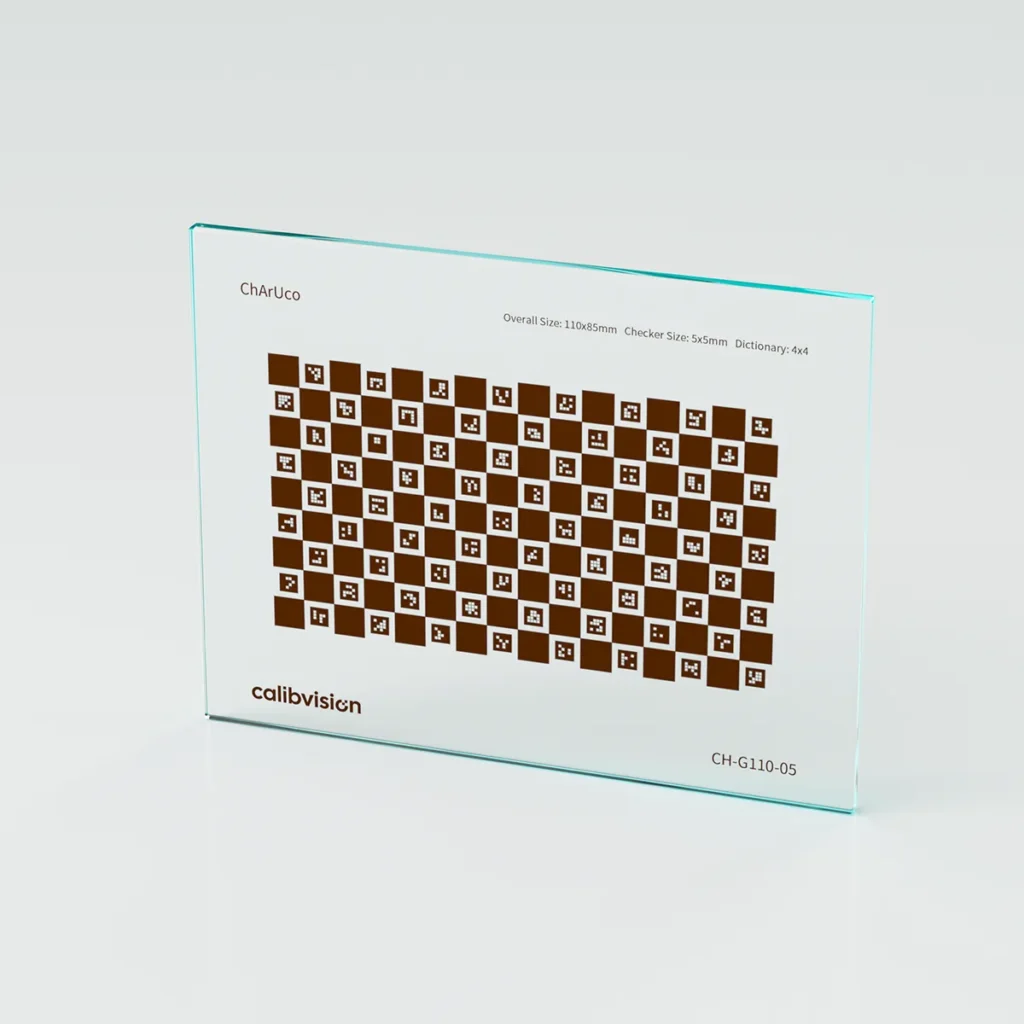
Laser triangulation systems rely on accurate calibration to convert pixel data into real-world measurements. However, many calibration issues are caused not by algorithms, but by the calibration target itself—especially its surface coating. This article explains the key requirements for calibration targets, compares different coating options, and shows why Brown Chrome is often the most reliable choice for stable and accurate measurements.
Diffuse Reflectance Standards for LiDAR and Camera Calibration: Complete Selection Guide
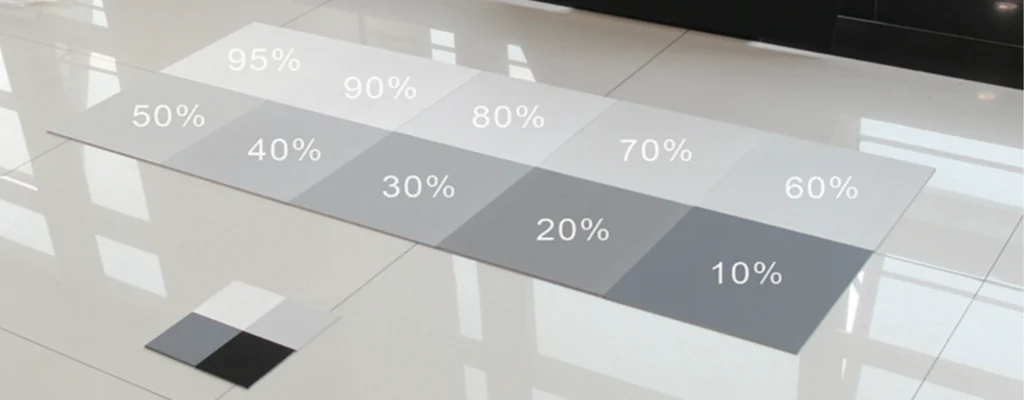
When it comes to calibrating optical measurement systems—from LiDAR sensors in autonomous vehicles to quality control cameras in manufacturing—precision matters. That’s where diffuse reflectance standards come in. These calibration targets provide the reference points that ensure your optical systems measure light accurately and consistently. What Are Diffuse Reflectance Standards? Diffuse reflectance standards are precision-engineered surfaces […]
Diffuse Reflectance Standards FAQ: 20 Expert Answers to Common Questions
Last Updated: January 2025 | Reading Time: 16 minutes Introduction “Can I use a photography gray card to calibrate my $100,000 LiDAR sensor?” This question—asked by an engineer at a major automotive supplier in 2023—led to three months of invalid testing, a delayed product launch, and $2.3 million in re-work costs. The answer? Absolutely not. […]
LiDAR Calibration Guide: How to Use Diffuse Reflectance Standards for Automotive Testing
Last Updated: January 2025 | Reading Time: 15 minutes Introduction A Tesla Model S traveling at 120 km/h on the highway relies on its LiDAR sensor to detect a stopped vehicle 200 meters ahead. The sensor must accurately measure both distance (is the obstacle 200m or 205m away?) and reflectance (is it a dark-painted car […]